

Just as Hercules faced his twelve labors, you too can conquer the challenges lurking in your home’s drains. Understanding common drain issues, like clogs and leaks, is the first step to maintaining a healthy plumbing system. With the right tools, such as plungers and drain snakes, and some simple DIY methods using household items, you can tackle these problems head-on. But before you reach for that chemical cleaner, have you considered the impact it may have? There’s more to discover about safeguarding your plumbing with effective, safe solutions that keep everything flowing smoothly.
Understanding Common Drain Issues
Drain issues often arise from clogs, leaks, or pipe corrosion, and understanding these problems is vital for effective maintenance and repair. When you’re dealing with clogs, they typically result from the buildup of hair, grease, soap scum, or food particles. To tackle these, it’s essential to identify the material causing the blockage. For instance, grease solidifies as it cools and adheres to pipes, creating stubborn obstructions. Knowing the nature of the clog allows you to choose the most suitable removal method.
Leaks, on the other hand, usually stem from faulty seals or damaged pipes. Regularly inspecting joints and connections helps you detect signs of wear and tear. If you notice any moisture accumulation or water stains, it’s a strong indicator of leakage. Promptly addressing these issues prevents water damage and maintains the integrity of your plumbing system.
Pipe corrosion is another common issue that occurs over time, particularly in older homes with metal piping. Rust or mineral deposits can reduce water flow and lead to leaks. Examining your pipes for discoloration or a metallic taste in your water signals the need for a professional assessment. Understanding these common drain issues makes you better prepared to serve others by maintaining a healthy plumbing system. In cases where corrosion or persistent leaks are involved, pipe repair may be necessary to restore proper flow and prevent further damage.
Essential Tools for Drain Cleaning
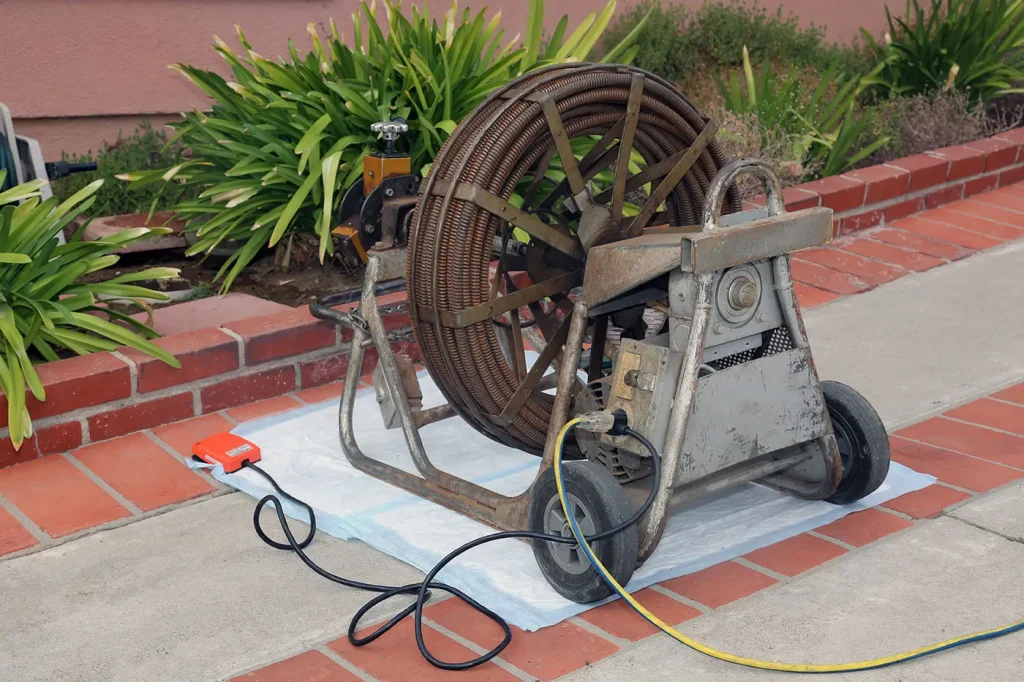
To effectively tackle drain cleaning tasks, guarantee you have essential tools like a plunger, drain snake, and pipe wrench readily available. These tools serve as your first line of defense against clogs, ensuring you’re well-prepared to maintain a healthy plumbing system. A plunger, for instance, is excellent for dislodging simple blockages by creating suction and pressure. Meanwhile, a drain snake can reach further into pipes, pulling out stubborn debris. A pipe wrench is crucial for loosening and tightening plumbing connections without damaging fixtures.
Here’s a practical list of essential tools you should consider:
- Plunger: Perfect for clearing minor clogs in toilets and sinks. Make sure to have both a cup and flange type for different surfaces.
- Drain Snake: Also known as a plumber’s auger, it’s adept at maneuvering bends and grabbing deep-seated obstructions.
- Pipe Wrench: Offers the necessary grip to adjust metal pipes, ensuring tight seals and preventing leaks.
- Bucket and Gloves: Protects your hands and catches any spillage during cleaning tasks.
With these tools, you’re equipped to handle common drain cleaning challenges efficiently, making a significant difference in the lives of those you serve.
DIY Methods With Household Items
While professional tools are invaluable, you can also tackle minor clogs using simple household items that are both effective and readily available. Start with a trusty plunger. For sinks, ensure the overflow is sealed with a damp cloth to maximize suction. Firmly press the plunger over the drain, push down, then pull up sharply. This creates a vacuum effect that can dislodge stubborn blockages.
Another helpful tool is a wire hanger. Untwist it to form a straight line with a small hook. Insert it into the drain to fish out hair or debris causing the clog. Always be cautious not to push the blockage further down the pipe.
Try boiling water for grease-related clogs. Slowly pour boiling water down the drain, letting it melt and flush away any grease buildup. Repeat this process if necessary, but never use boiling water in porcelain sinks, as it can cause cracks.
Using Baking Soda and Vinegar
Leveraging the natural chemical reaction between baking soda and vinegar can break down minor clogs and clear your drains. This method taps into a simple yet powerful, safe, and eco-friendly reaction. Here’s how you can use it efficiently:
- Preparation: Start by pouring boiling water down the drain to loosen debris. This step is vital as it preps the pipes for the cleaning process.
- Application: Measure half a cup of baking soda and pour it directly down the drain. Follow this by pouring one cup of vinegar. You’ll notice a fizzing action—the reaction working to break down the clog.
- Wait and Observe: Allow the mixture to sit for about 15 minutes. This waiting period lets the solution penetrate deeply into the clog, tackling whatever is causing the blockage.
- Final Flush: Finish by pouring another pot of boiling water down the drain. This final step is indispensable as it washes away the dislodged debris, leaving your drain clear.
How to Plunge a Sink
Plunging a sink effectively requires a firm seal between the plunger and the drain to create the necessary suction for dislodging clogs. Start by selecting a plunger with a cup large enough to cover the entire drain opening. Before plunging, remove any visible debris from the sink and fill it with enough water to submerge the plunger’s cup, as water is crucial for creating an effective seal.
Position the plunger directly over the drain. Confirm it’s perpendicular to the sink’s surface for maximum efficiency. Press down firmly, then pull up sharply without breaking the seal. This action forces water into the drain, which helps dislodge the blockage. Repeat this plunging action several times, maintaining a consistent rhythm.
If your sink has an overflow hole, you’ll need to block it with a damp cloth or sponge. This prevents air from escaping and guarantees maximum pressure is applied to the clog. After a few plunges, check if the water drains. If successful, flush the drain with hot water to remove residual debris. Remember, patience and persistence are crucial; your efforts will restore the sink’s functionality, serving others efficiently.
Benefits of Drain Snakes
Drain snakes are versatile tools that efficiently navigate pipes to remove stubborn clogs without causing damage. As a homeowner committed to serving others by maintaining a functional living space, you’ll find that using a drain snake is practical and effective. Here are the benefits you can expect:
- Cost-Effective: Investing in a drain snake saves you money by reducing the need for professional plumbers. It’s a one-time purchase that pays for itself after just a few uses.
- Environmentally Friendly: Unlike chemical drain cleaners, snakes avoid introducing harmful substances into your plumbing system and the environment. They rely on mechanical action, making them safer for the planet.
- Versatility: Drain snakes come in various sizes, allowing you to tackle different types of clogs in sinks, toilets, and tubs. Their flexibility guarantees they can reach even the most challenging blockages.
- Durability: Drain snakes are built to last and withstand repeated use without losing effectiveness. Their robust construction means they’re ready whenever you need them, providing reliable and long-term service.
Preventing Hair Clogs in Showers
To effectively prevent hair clogs in showers, regularly clean the drain cover and use a hair catcher to trap loose strands before they enter the plumbing. A well-maintained drain cover acts as the first line of defense, catching larger debris you can easily remove. Hair catchers, available in various designs, fit over or inside your drain and are optimized to capture hair without hindering water flow. Regularly emptying these devices guarantees they function at peak efficiency.
Shower habits also play an essential role. Encourage family members to brush their hair before showering. This simple act reduces the amount of loose hair entering the drain. Tying it up during showers can greatly minimize shedding for those with long hair.
Maintenance is key. Monthly, flush the drain with a mixture of baking soda and vinegar. This natural solution helps dissolve minor buildups and keeps your pipes clear. If you notice water draining slower than usual, act swiftly. A quick intervention can prevent a small issue from escalating.
Chemical Drain Cleaners: Pros and Cons
When considering chemical drain cleaners, weighing their effectiveness against potential risks to your plumbing and health is crucial. These cleaners can provide quick solutions, but you must be mindful of their long-term effects. Here’s a practical breakdown of their pros and cons:
- Effectiveness: Chemical cleaners efficiently dissolve organic matter like hair and food particles. They can clear clogs quickly, making them convenient for emergencies.
- Ease of Use: With straightforward instructions, these cleaners require minimal effort. Simply pour them into the drain and let them work, which makes them accessible even for those with limited plumbing knowledge.
- Corrosive Nature: Unfortunately, the chemicals can corrode pipes over time, especially if used frequently. This can lead to leaks and costly repairs, particularly in older plumbing systems.
- Health Risks: Chemical cleaner fumes and residue can pose serious health risks. They can irritate the skin, eyes, and respiratory systems. Always wear gloves and maintain proper ventilation when using these products.
Choosing to use chemical drain cleaners requires careful consideration of these factors. While they offer quick fixes, their potential to harm your plumbing and health cannot be overlooked. Prioritize safety and long-term maintenance when deciding on the best solution.
Maintaining Your Garbage Disposal
Regular maintenance of your garbage disposal guarantees it operates efficiently and extends its lifespan. Start by running cold water before, during, and after using the disposal. Cold water solidifies grease or oils, ensuring they’re chopped up and flushed away, preventing clogs. Avoid overloading the disposal with large amounts of food at once; feed smaller portions to maintain peak performance.
It’s essential to know what not to put at your disposal. Avoid fibrous materials like celery or corn husks, which can wrap around the blades, and hard items like bones that can damage them. Citrus peels, however, are excellent for naturally cleaning and deodorizing the unit.
Periodically, grind a cup of ice cubes and a handful of rock salt to sharpen the blades and remove buildup. Another effective method is to use a mixture of baking soda and vinegar. Pour half a cup of baking soda, followed by a cup of vinegar, into the disposal. Let it fizz for a few minutes, then rinse with hot water.
Lastly, maintain a clean environment by regularly checking for leaks or unusual noises. With these practical steps, you’ll ensure your garbage disposal effectively serves you and others.
Regular Drain Maintenance Tips
While maintaining garbage disposal is essential, extending that care to all your drains guarantees a smooth and efficient plumbing system. Regular drain maintenance not only prevents clogs but also extends the lifespan of your plumbing, saving you time and resources in the long run. Here’s a practical guide to help you keep those drains in great condition:
- Weekly Hot Water Flush: Pouring hot water down your drains once a week helps dissolve grease and soap residue. It’s a simple yet effective way to keep buildup at bay.
- Monthly Baking Soda and Vinegar Treatment: Use a half-cup of baking soda followed by a half-cup of vinegar. This natural combination breaks down organic matter and freshens your drains. Wait 15 minutes before flushing with hot water.
- Trap Cleaning: For bathroom sinks and tubs, manually clean the P-traps every few months. Remove any trapped debris to maintain water flow and prevent odors.
- Avoid Chemical Cleaners: They may offer a quick fix but can damage your pipes over time. Opt for enzymatic or natural solutions to guarantee your plumbing’s longevity.
Conclusion
Think of your home’s plumbing system as a body’s circulatory system; keeping it clean and flowing is essential for overall health. You have the tools and knowledge to tackle clogs and prevent issues before they start. Embrace regular maintenance as your routine check-up, and use natural solutions like baking soda and vinegar as your healthy diet. Avoid over-relying on harsh chemicals; your pipes will serve you well for years. Still, when sudden problems occur, having access to emergency plumbing can make all the difference in preventing serious damage
Frequently Asked Questions
What Are the Environmental Impacts of Using Chemical Drain Cleaners?
You’re considering chemical drain cleaners, but they can harm aquatic life and corrode pipes. Opt for biodegradable alternatives to protect the environment. Choosing wisely, you help preserve ecosystems and guarantee safer plumbing practices for everyone.
How Often Should Professional Drain Cleaning Services Be Scheduled?
You could wait until your drains resemble Niagara Falls or schedule a yearly professional cleaning. It’s practical, prevents clogs, and keeps you from spending weekends knee-deep in plumbing chaos.
Can Tree Roots Cause Significant Drain Blockages?
Yes, tree roots can cause significant drain blockages. They infiltrate pipes seeking moisture, leading to clogs and potential damage. Regular inspections and specialized treatments guarantee smooth drainage, helping you maintain a trouble-free, efficient plumbing system.
Are There Any Natural Enzymes Effective for Drain Cleaning?
Oh, you’re considering enzymes over a plumber’s snake? Brilliant! Natural enzymes like Bacillus bacteria break down organic matter effectively. Just sprinkle them in, and voilà—your pipes are happy, and you can continue serving others without a hitch!
What Are the Signs That Indicate a Severe Drain Problem?
You notice persistent slow drainage, unpleasant odors, and frequent clogs, which indicate a severe drain problem. Address these issues promptly to prevent further damage and guarantee efficient service to others who rely on your plumbing system’s functionality.