

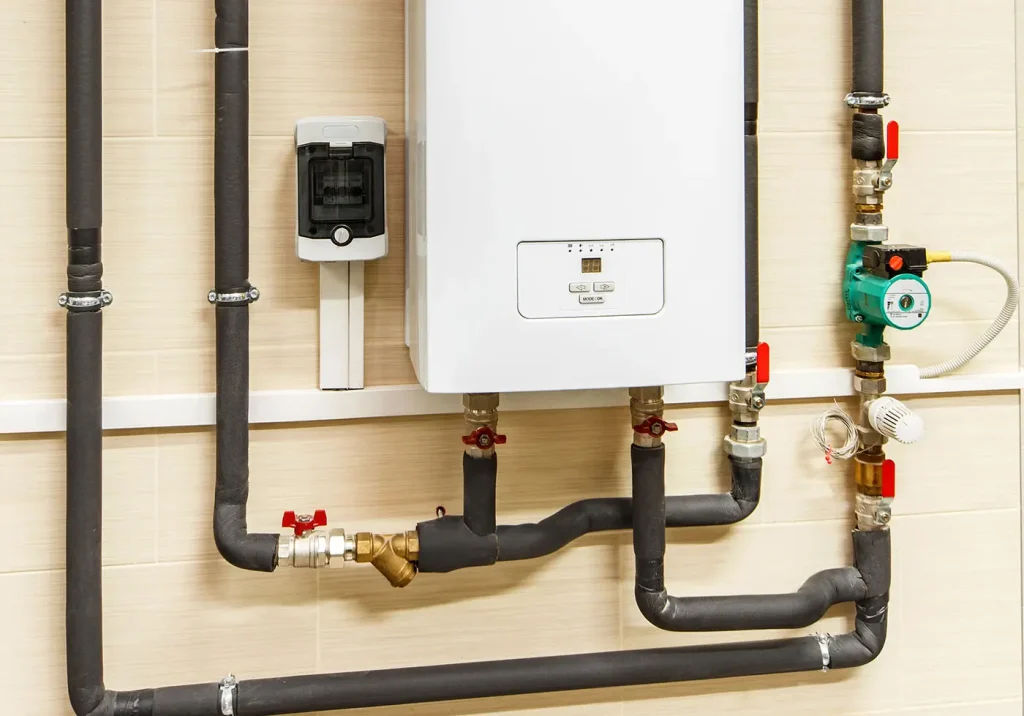
When tackling a water heater installation, getting it right from the start is essential for efficiency and reliability. You’ll want to consider your household’s hot water needs and choose a unit with a high Energy Factor to guarantee peak performance. Accurate measurements of the installation space help avoid fitting issues and ventilation problems. Don’t forget to gather the necessary tools and secure the proper permits. As you prepare, reflect on how leak-proof connections and safe electrical setups contribute to long-term success. But what about those unexpected challenges that might arise during the process?
Choose the Right Water Heater
Selecting the right water heater involves analyzing your household’s hot water needs, considering fuel types, and evaluating energy efficiency ratings. Begin by calculating your household’s peak hour demand, which is the maximum amount of hot water needed during the busiest hour of consumption. Consider the number of showers, dishwashers, and washing machines used simultaneously. This will guide you in selecting a heater with an adequate First Hour Rating (FHR).
Next, assess fuel types. Standard options include electricity, natural gas, propane, and solar. Electricity is widely available but can be expensive. Although natural gas and propane are more efficient and cost-effective, they require venting. Solar heaters are eco-friendly but depend on your local climate for ideal performance.
Examine each model’s Energy Factor (EF) rating for energy efficiency. A higher EF rating means greater efficiency, which translates to lower utility bills and reduced environmental impact. Look for ENERGY STAR-certified units, as these meet strict efficiency guidelines.
Measure Space and Capacity
After identifying the right water heater, verify it fits your space by accurately measuring the installation area and confirming the unit’s capacity meets your household’s needs. Start by determining where the water heater will be placed. Precision in this step guarantees efficient installation and ideal performance. Here’s how you can proceed:
- Measure the Dimensions: Use a tape measure to record the installation area’s height, width, and depth. Confirm there’s enough clearance for maintenance and ventilation.
- Check Accessibility: Verify that there is unobstructed access to water lines, electrical connections, and the gas supply, if applicable. This accessibility is essential for both installation and future servicing.
- Evaluate Capacity: Assess your household’s hot water demands and match the water heater’s capacity with your family’s usage patterns. A family of four typically requires a 50-gallon tank, while smaller households might opt for 30-40 gallons.
- Consider Future Needs: Plan for potential changes in household size or usage to avoid frequent replacements. A slightly larger capacity might be a wise investment.
Gather Necessary Tools
Gather essential tools such as a pipe wrench, adjustable pliers, a screwdriver set, and a voltage tester to guarantee a smooth installation. Ensure your pipe wrench is in good condition; it’s essential for gripping and turning pipes. Adjustable pliers will assist in handling different-sized fittings. A thorough screwdriver set, including flathead and Phillips, is crucial for securing electrical connections and removing access panels. A voltage tester is indispensable for confirming the absence of electrical current before you begin working on the water heater, ensuring safety.
Next, include a tape measure for precise measurements and a level to ensure the heater sits evenly. You’ll also need Teflon tape to seal threaded connections and prevent leaks. A bucket and towels are practical for catching water and protecting the installation area from spills. Don’t forget a tube cutter if you need to adjust copper piping.
Secure Installation Permits
Before installing, obtain the necessary permits from your local building authority to comply with regulations and avoid potential fines. Securing permits is not just a bureaucratic step; it’s a commitment to safety and quality. Here’s how you can navigate this essential process effectively:
- Contact Local Building Authority: Contact your local building department to determine the specific permits required for water heater installation. Requirements can vary widely, so get precise information.
- Prepare Necessary Documentation: Gather all essential documents, such as property details, a detailed plan of the installation, and any specifications of the water heater model you’re installing. These documents support your permit application.
- Submit Permit Application: Fill out the application meticulously, ensuring all information is complete and accurate. Submit it along with the required fees. Many jurisdictions offer online submissions for convenience.
- Schedule Inspections: Once the permit is approved, schedule any necessary inspections. Inspections guarantee the installation meets safety codes and regulations, protecting you and those you serve.
Ensure Proper Ventilation
Proper ventilation is essential to ensure your water heater operates safely and efficiently and prevents the buildup of dangerous gases like carbon monoxide. To achieve this, start by evaluating the installation area. Verify there’s a direct route for exhaust gases to exit the home through a chimney or a vent pipe. Check that all vent connections are secure and free of leaks to avoid any gas seepage. Use a high-quality sealant around joints for an airtight seal.
Select the correct venting material based on your heater type—typically, galvanized steel or aluminum for standard units and PVC for high-efficiency models. Measure the vent pipe’s diameter; it should match the heater’s exhaust collar to confirm ideal airflow. Check that the vent’s slope follows the manufacturer’s guidelines, usually rising at least 1/4 inch per foot, to facilitate gas expulsion.
Regularly inspect the venting system during maintenance checks. Clear any obstructions, such as debris or nests, that might block airflow. Educate your household on the signs of poor ventilation, like unusual odors or soot buildup. Prioritize safety by installing carbon monoxide detectors near the water heater and throughout your home.
Install Temperature Controls
With proper ventilation guaranteed, now focus on installing temperature controls to enhance the safety and efficiency of your water heater system. Confirming precise temperature management conserves energy and protects users from scalding. Follow these steps to install temperature controls accurately:
- Mount the Thermostat: Locate the appropriate position on the water heater where the thermostat will be mounted. Ensure it’s easily accessible for future adjustments. Secure it with screws, making sure it’s firmly attached to prevent any dislodging.
- Connect the Wiring: Carefully connect the wires from the thermostat to the designated terminals on the water heater. Ensure all connections are tight and secure to avoid any electrical issues. Double-check the wiring diagram specific to your model to prevent errors.
- Set the Desired Temperature: To balance comfort and safety, use a screwdriver to adjust the thermostat to the recommended temperature, usually around 120°F (49°C). This temperature minimizes the risk of burns while being energy-efficient.
- Test the System: After installation, turn on the water heater and verify that the temperature control functions properly. Use a thermometer to measure the water temperature at a faucet to confirm it aligns with your settings.
Prioritizing these steps will contribute to a safe and efficient water heating system.
Connect Water Supply Lines
To guarantee a seamless connection, start by attaching the cold and hot water supply lines to your water heater’s designated inlet and outlet ports. Use flexible copper or stainless-steel connectors, as they provide durability and ease of installation. Confirm each line is correctly aligned with its corresponding port—cold water to the inlet and hot water to the outlet.
Before securing the fittings, wrap the threaded ends with Teflon tape or apply a pipe joint compound to prevent leaks. Tighten the connections using a wrench, but avoid overtightening, which could damage the threads or fittings. Once connected, gently tug on each line to confirm they’re secure.
Next, open the main water supply valve gradually, allowing water to flow into the heater. While the tank fills, inspect each connection for leaks. If you spot any drips, tighten the fitting slightly until they cease. This step confirms a stable water supply and prevents potential water damage.
Check Electrical Connections
Before powering up the water heater, verify that all electrical connections are securely fastened and properly grounded to prevent potential hazards. Begin by confirming the power supply is off to avoid any electrical shock or damage. Follow these steps to guarantee a safe and efficient installation:
- Inspect the Wiring: Examine the water heater’s wiring for any visible damage or wear. Replace any frayed or damaged wires to maintain safety and efficiency.
- Tighten Connections: Use a screwdriver to tighten all terminal connections. Loose connections can lead to overheating and potential failure of the water heater.
- Check Grounding: Confirm the water heater is properly grounded. A solid ground connection protects against electrical surges and minimizes the risk of electrical shock. Verify that the ground wire is securely attached to the grounding terminal.
- Use a Multimeter: Test the voltage at the electrical connections with a multimeter. Confirm that the voltage matches the specifications on the water heater’s label, ensuring compatibility and preventing overloading.
Performing these checks safeguards the equipment and guarantees the safety of those you serve. By following these steps, you’ll contribute to a reliable and secure water heating system for users.
Test for Leaks
To guarantee the system’s efficient and safe operation, regularly inspect all water connections and joints for signs of leakage. Begin by visually examining the connections at the water heater, including inlet and outlet pipes, valves, and fittings. Look for any moisture, drips, or corrosion that may indicate a leak. Use a dry cloth to wipe around each joint to check for dampness that may not be immediately visible.
Next, a pressure test will be performed by turning on the water supply and closely monitoring the connections. Listen for any hissing sounds that could signal escaping water. If you detect a leak, tighten the connection using an appropriate wrench, but avoid over-tightening, which could damage the joint.
For more thorough leak detection, apply a mixture of dish soap and water to suspected areas. Bubbles will form if there’s a leak, allowing you to pinpoint the exact location. Once identified, repair or replace the faulty component to prevent further issues.
Perform Safety Checks
Ensure the area around the water heater is clear of flammable materials and that the temperature-pressure relief valve is functioning correctly to maintain safety standards. This valve is essential for preventing potential overpressure situations. Follow these steps to guarantee the installation is both efficient and safe:
- Inspect Electrical Connections: Verify that all electrical connections are secure. Loose connections can lead to malfunction or hazardous conditions. Use a multimeter to confirm voltage levels are within the manufacturer’s specifications.
- Gas Line Examination: If it’s a gas water heater, inspect the gas lines for leaks by applying a soap solution. Bubbles indicate a leak, requiring immediate tightening or replacement of fittings.
- Ventilation Assessment: Ensure proper ventilation to avoid carbon monoxide buildup. Check that the vent pipe is securely fastened and extends to the outside, free of obstructions.
- Water Pressure Testing: Attach a pressure gauge to the water line and confirm that the pressure doesn’t exceed 80 psi. Excessive pressure can damage the tank and fittings, compromising safety.
Taking these actions not only safeguards the property but also guarantees the well-being of those relying on your expertise in providing a secure installation.
Conclusion
Coincidentally, when you follow these practices, installing your water heater becomes as seamless as a well-oiled machine. You’ve chosen the right unit, measured twice for precision, and gathered your tools like a seasoned craftsman. With permits secured and ventilation guaranteed, you’re ready to connect the water lines and check the electrical setup. As you test for leaks and perform safety checks, you’ll find that efficiency and reliability naturally fall into place, just like pieces of a puzzle.
Frequently Asked Questions
How Often Should a Water Heater Be Serviced After Installation?
You should service your water heater annually. Regular maintenance prevents breakdowns and guarantees efficiency. Check for sediment buildup, test the pressure relief valve, and inspect connections. This proactive approach keeps your heater reliable, benefiting those you serve.
What Are the Signs That a Water Heater Needs Replacement?
You notice rust-colored water, hear rumbling noises, water pooling around the heater, and feel inconsistent water temperatures. Replace it promptly to guarantee reliable service, prevent damage, and maintain efficiency for those you serve.
Can I Install a Water Heater Myself Without Professional Help?
If you’re comfortable with plumbing and electrical work, you can install a water heater yourself. Make sure you have tools like pipe wrenches, screwdrivers, and a voltage tester. Always turn off the power and water supply before starting.
What Is the Average Lifespan of a Standard Water Heater?
Coincidentally, while ensuring hot showers for your family, you’ll find that a standard water heater typically lasts 8-12 years. Regular maintenance, like flushing and checking the anode rod, extends its life, benefiting those you serve.
Are There Eco-Friendly Water Heater Options Available?
You can choose eco-friendly water heaters like solar, heat pumps, or tankless models. They reduce energy use, lower bills, and minimize environmental impact. Install according to manufacturer guidelines for ideal performance and sustainability.